Summary
Learn how Valley Center grew from homesteads into a rural
community, how wildfire has shaped it, and how neighbors formed the Greater Valley
Center Fire Safe Council.
History of Valley Center
Valley Center’s story is one of people working the land, building community, and learning to live with wildfire.
A Community Shaped by Its History
How did Valley Center become the community of today?
Long before homesteaders arrived, the region was home to the Luiseño people, who were established here by about 1000 A.D. Their descendants are represented today by the Pala, Pauma, Rincon, and La Jolla Bands. South of Valley Center and east of Escondido lived people whose history is connected to the Kumeyaay and to today’s San Pasqual Band of Mission Indians.
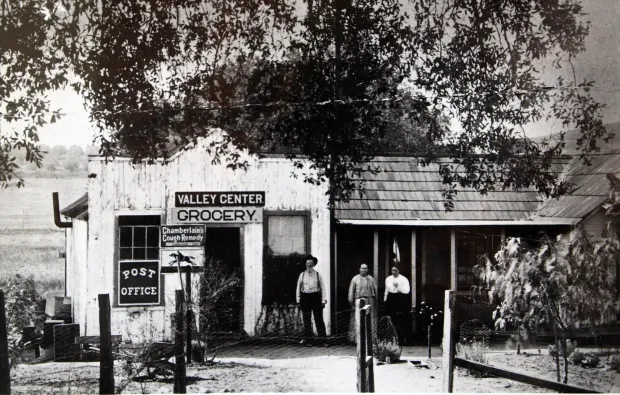
After the Homestead Act of 1862, settlers began claiming land in the area. Many were farmers, immigrants, or families moving west in search of new opportunities. Early settlements, including Bear Valley, Rancho Lilac, San Pasqual, and Pala, gradually came together to form the Valley Center community.
Farming quickly became a way of life, but unreliable rainfall made it difficult for many families to sustain their claims, and some were forced to abandon their land. That changed in the mid-1950s, when the Valley Center Municipal Water District was formed and began securing a reliable supply of imported water.
By the mid-1970s, residents were working with San Diego County on Valley Center’s first Community Plan. That tradition of local involvement continues today, with residents taking an active role in decisions about development, transportation, agriculture, and
open space.
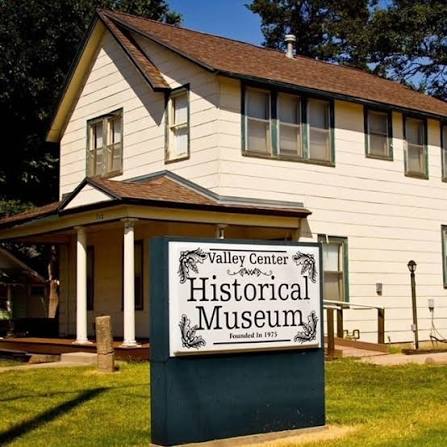
The community also honors its heritage through local landmarks. The Valley Center Community Hall, built in 1925, still serves as a gathering place for local events. The Valley Center Historical Museum preserves the people, places, and stories that shaped the area. Its property was donated by the Solomon and Wolfsheimer families, descendants of the founders of Lilac Ranch, and it is administered by the Valley Center Historical Society.
Did You Know?
Rolling hills, granite outcroppings, chaparral, and oak- and sycamore-lined creeks make Valley Center beautiful—but also naturally prone to wildfire. description to your card.
As water and land costs have risen, some avocado and citrus groves have been abandoned, leaving dead and dying vegetation that can increase available wildfire fuel.
Valley Center’s eastern hills, including the Hellhole Canyon area, can experience strong Santa Ana winds that create especially dangerous wildfire conditions.
Living With Wildfire
Wildfire has always been part of the Southern California landscape, and Valley Center’s mix of homes, groves, and open chaparral places it squarely in the wildland-urban interface. Over the years, several major fires have reached the community or burned close by, each one reinforcing the value of preparation.
2007
Witch Creek Fire
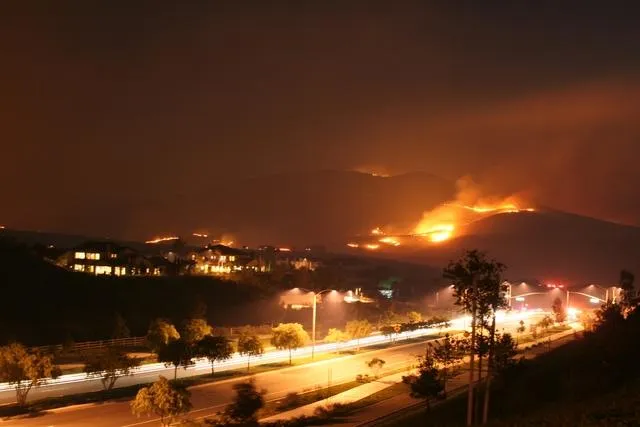
One of the largest wildfires in California History,
burning over 197,000 acres and destroying more
then 1,100 homes in San Diego County. It is highlighted the need for stronger preparedness and coordination
2007
Poomacha Fire
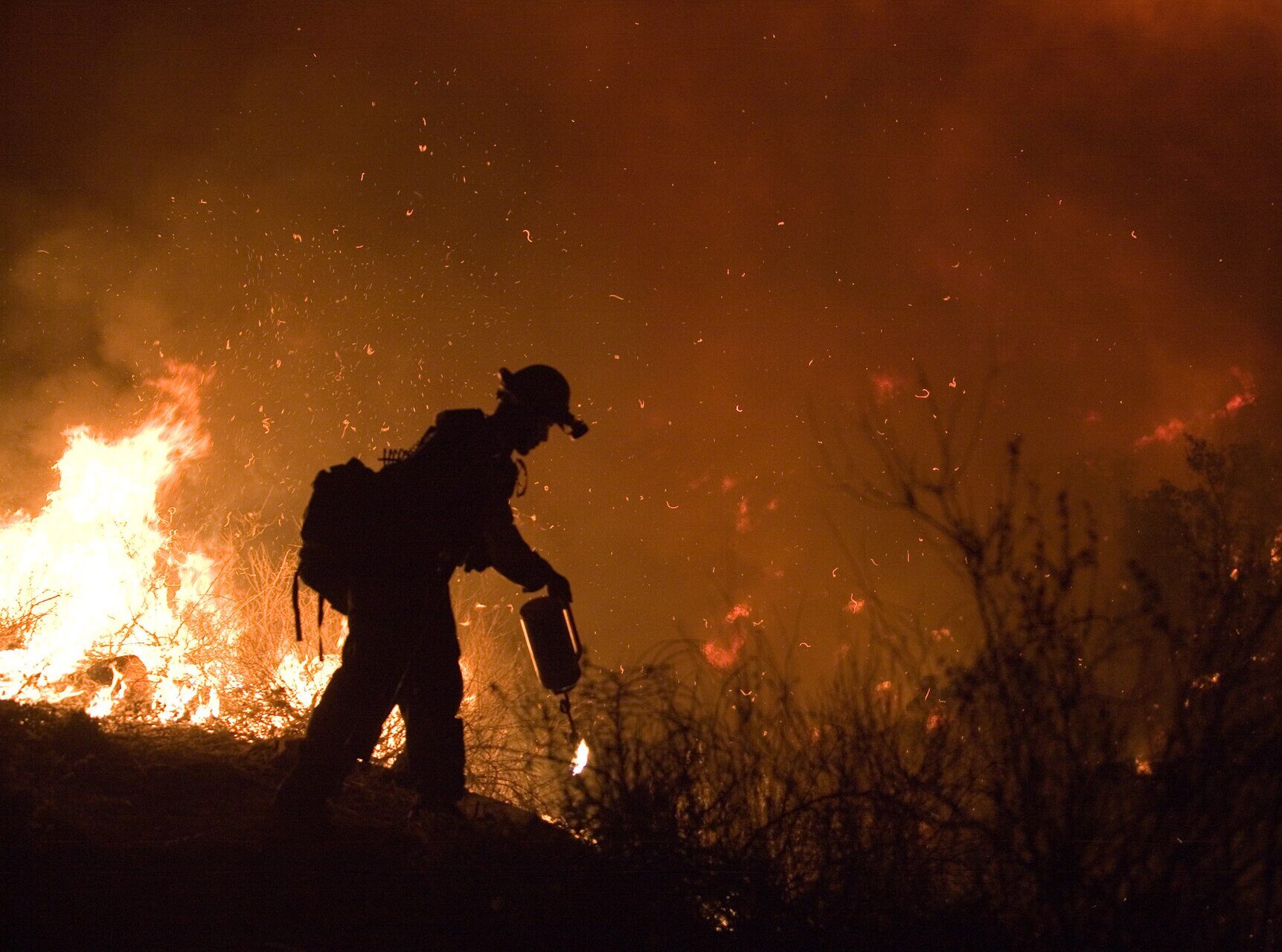
Burning at the same time, this fire started near the La Jolla Reservation and burned about 49,500 acres, prompting evacuations in Valley Center, Pauma Valley, and nearby communities.
2017
Lilac Fire
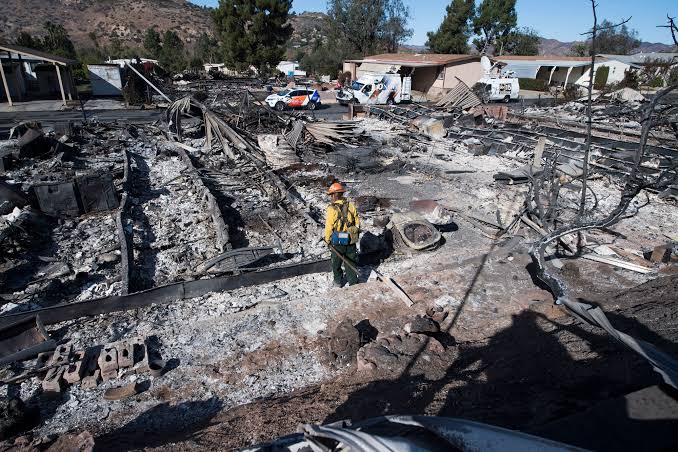
In December, a fire just west of Valley Center grew from about 10 acres to 500 acres in roughly 20 minutes, driven by Santa Ana winds. It was a reminder that wildfire season in San Diego County can extend into winter.
The Greater Valley Center Fire Safe Council – History
The Greater Valley Center Fire Safe Council was formed by Valley Center residents committed to protecting their community from wildfire. As part of the California and San Diego County Fire Safe Council network, the council works alongside the Valley Center Fire Protection District, CAL FIRE, and local partners.
2008 – Our Beginning
Formed by local volunteers committed to wildfire preparedness and education in Valley Center
2009 – First Community Wildfire Protection Plan
Completed our first CWPP to guide local wildfire risk reduction effort
2010 – Fuel Reduction & Education Programs
Launched community chipping programs and wildfire safety workshops
2012 – Fire Safe Outreach Expanded
Deepened partnerships with local agencies and expanded emergency preparedness outreach
2018 – Further Improvements
The council completed an updated Community Wildfire Protection Plan, approved by CAL FIRE.
Today
The council continues its work in three areas: Wildfire Prevention & Fuel
Reduction, Community Wildfire Education, and Structural Hardening Support.